All Engines & Transmissions Blog

Your vehicle’s transmission depends on an adequate supply of clean transmission fluid to lubricate components, manage operating temperatures, and help the transmission shift properly. A leak can gradually lower the fluid level and interfere with normal operation. Because transmission problems can become more complicated when they’re ignored, it’s important to recognize potential warning signs early. At All Engines & Transmissions, we provide expert transmission fluid leak detection and repair in the greater Westminster, CO area. Here are four signs that your vehicle may be leaking transmission fluid. Fluid Spots Under the Vehicle Finding fluid underneath your vehicle is one of the most noticeable signs of a possible transmission leak. Depending on its age and condition, transmission fluid can range from bright red to darker brown. You may notice spots after parking in your driveway. Since other automotive fluids can also leak, a professional inspection can identify the fluid and locate its exact source. Delayed or Erratic Gear Shifting A transmission with insufficient fluid may have difficulty changing gears smoothly. You could encounter hesitation before a gear engages, unexpected shifting, slipping, or noticeable delays between gears. These symptoms can have multiple causes, but a fluid leak that has allowed the transmission level to become too low is one possibility. Prompt diagnosis can help prevent the issue from becoming more severe. Unusual Burning Odors A burning smell coming from your vehicle can be another warning sign of a transmission-related problem. Leaking fluid may contact hot components, while low fluid levels can contribute to additional friction and heat within the transmission. Transmission fluid that has become overheated or degraded may also produce an unusual odor. Any persistent burning smell deserves professional attention. Strange Transmission Noises Whining, humming, buzzing, or other unfamiliar noises can indicate that the transmission is not operating normally. Low fluid can reduce lubrication between internal components and contribute to increased friction. If unusual noises occur while accelerating or shifting, have the vehicle evaluated. Transmission Fluid Leak Repair in Westminster, CO For expert transmission repair in Westminster, CO and the surrounding area, contact All Engines & Transmissions at (720) 707-0183. Feel free to give us a call to schedule an appointment!

An overheating engine is a problem that should never be ignored. While modern vehicles are equipped with cooling systems designed to regulate engine temperature, several mechanical problems can prevent these systems from working properly. Continuing to drive an overheating vehicle can result in severe engine damage, including warped components or a failed head gasket. At All Engines & Transmissions, we provide expert cooling system repair in the greater Westminster, CO area. Here’s a look at four common causes of overheating that should be addressed right away. Failing Thermostat The thermostat controls when coolant flows between the engine and radiator. If it becomes stuck closed, coolant may not circulate properly, causing engine temperatures to rise. A malfunctioning thermostat can cause overheating relatively quickly, particularly during demanding driving conditions. Replacing a faulty thermostat can restore proper coolant circulation. Low Coolant Levels Coolant is essential for transferring heat away from the engine. If the coolant level becomes too low, the cooling system may not be able to regulate engine temperature effectively. Low coolant can result from a leak in a hose, radiator, water pump, or another component. If you frequently need to add coolant, have the system inspected to identify the source of the problem. Damaged Radiator The radiator plays an important role in releasing heat from engine coolant. Damage, corrosion, clogged passages, or restricted airflow can prevent it from working effectively. A radiator may also develop leaks that gradually reduce coolant levels. If your vehicle overheats or you notice coolant leaking from the front of the vehicle, the radiator should be inspected. Failing Water Pump The water pump circulates coolant throughout the engine and cooling system. If the pump becomes worn or fails, coolant circulation can be reduced or stopped entirely. Warning signs can include overheating, coolant leaks, and grinding or whining noises. Because a water pump failure can quickly lead to serious overheating, prompt diagnosis is important. Cooling System Repair in Westminster, CO For expert auto repair in Westminster and the surrounding area, contact All Engines & Transmissions at (720) 707-0183. Feel free to give us a call to make an appointment for car car in greater Westminster!
Few dashboard warning lights cause as much concern as the check engine light. While the problem may be something relatively minor, it can also indicate a more serious issue that requires immediate attention. Modern vehicles use sophisticated onboard diagnostic systems to monitor engine performance and emissions, illuminating the check engine light whenever they detect a fault. Ignoring this warning can lead to reduced fuel-efficiency, poor performance, and costlier repairs. At All Engines & Transmissions, we provide expert check engine light repair in the greater Westminster, CO area. Here are four of the most common reasons your check engine light may come on. Faulty Oxygen Sensor The oxygen sensor measures the amount of oxygen in the exhaust gases and helps the engine control module adjust the air-fuel mixture for optimal performance and emissions. Over time, oxygen sensors can become contaminated or fail due to age. A faulty sensor may reduce fuel-economy, increase emissions, and cause the engine to run less efficiently. Failing Mass Airflow Sensor The mass airflow (MAF) sensor measures the amount of air entering the engine so the correct amount of fuel can be delivered. When the sensor becomes dirty or fails, the engine may develop rough idling, hesitation, poor acceleration, or reduced fuel-economy. Catalytic Converter Problems The catalytic converter helps reduce harmful exhaust emissions by converting pollutants into less harmful gases. If the converter becomes clogged or damaged, the check engine light may illuminate, and you may notice reduced engine performance, sluggish acceleration, and decreasing gas mileage. Worn Spark Plugs or Ignition Components Spark plugs and ignition coils work together to ignite the air-fuel mixture inside the engine. As these components wear out, they can cause engine misfires, rough running, reduced power, and increased fuel consumption. Engine misfires often trigger the check engine light and should be repaired promptly, as prolonged misfires can lead to more expensive repairs. Check Engine Light Repair in Westminster, CO For engine repair and replacement in Westminster, CO and the surrounding area, contact All Engines & Transmissions at (720) 707-0183. Feel free to give us a call to schedule an appointment!
Because automatic transmission problems and repairs can sometimes feel confusing and intimidating for drivers, many have similar questions. At All Engines & Transmissions, we’re happy to answer your questions about automatic transmission repair in the greater Westminster, CO area. Here’s a look at some of the FAQs. What Are Common Warning Signs of Automatic Transmission Problems? Early warning signs often include delayed shifting, rough gear changes, or hesitation when accelerating. Some drivers also notice slipping gears and the engine revving higher than normal without a corresponding increase in speed. These symptoms typically indicate internal wear or fluid-related issues that should be inspected promptly. Can Low Transmission Fluid Cause Issues? Yes, low or contaminated transmission fluid is one of the most common causes of transmission problems. Transmission fluid lubricates internal components, cools the system, and helps maintain proper hydraulic pressure. When levels are low or the fluid is dirty, you may encounter overheating, poor shifting performance, or transmission slipping. What Commonly Causes Automatic Transmissions to Fail? Automatic transmission failure can result from several factors, including lack of maintenance, overheating, worn internal parts, and fluid leaks. Driving habits such as towing excessively heavy loads and aggressive acceleration can also increase wear and contribute to long-term damage. How Often Should Transmission Maintenance Be Done? Maintenance intervals vary depending on the vehicle, but many manufacturers recommend servicing the transmission every 30,000 to 60,000 miles. Regular service may include fluid changes, filter replacement, and system inspections to help catch small issues before they become major repairs. What Happens if Transmission Problems Are Ignored? Ignoring transmission issues can lead to worsening performance and more extensive internal damage. What begins as a minor shifting issue might eventually result in complete transmission failure. Addressing symptoms early helps protect the system from severe problems. Where Can I Get Automatic Transmission Repair in Westminster, CO? For expert transmission repair in Westminster, CO and the surrounding area, contact All Engines & Transmissions at (720) 707-0183. Feel free to give us a call to schedule an appointment for transmission services in greater Westminster, CO!
Your vehicle’s transmission depends on an adequate supply of clean transmission fluid to lubricate components, manage operating temperatures, and help the transmission shift properly. A leak can gradually lower the fluid level and interfere with normal operation. Because transmission problems can become more complicated when they’re ignored, it’s important to recognize potential warning signs early. At All Engines & Transmissions, we provide expert transmission fluid leak detection and repair in the greater Westminster, CO area. Here are four signs that your vehicle may be leaking transmission fluid. Fluid Spots Under the Vehicle Finding fluid underneath your vehicle is one of the most noticeable signs of a possible transmission leak. Depending on its age and condition, transmission fluid can range from bright red to darker brown. You may notice spots after parking in your driveway. Since other automotive fluids can also leak, a professional inspection can identify the fluid and locate its exact source. Delayed or Erratic Gear Shifting A transmission with insufficient fluid may have difficulty changing gears smoothly. You could encounter hesitation before a gear engages, unexpected shifting, slipping, or noticeable delays between gears. These symptoms can have multiple causes, but a fluid leak that has allowed the transmission level to become too low is one possibility. Prompt diagnosis can help prevent the issue from becoming more severe. Unusual Burning Odors A burning smell coming from your vehicle can be another warning sign of a transmission-related problem. Leaking fluid may contact hot components, while low fluid levels can contribute to additional friction and heat within the transmission. Transmission fluid that has become overheated or degraded may also produce an unusual odor. Any persistent burning smell deserves professional attention. Strange Transmission Noises Whining, humming, buzzing, or other unfamiliar noises can indicate that the transmission is not operating normally. Low fluid can reduce lubrication between internal components and contribute to increased friction. If unusual noises occur while accelerating or shifting, have the vehicle evaluated. Transmission Fluid Leak Repair in Westminster, CO For expert transmission repair in Westminster, CO and the surrounding area, contact All Engines & Transmissions at (720) 707-0183. Feel free to give us a call to schedule an appointment!
An overheating engine is a problem that should never be ignored. While modern vehicles are equipped with cooling systems designed to regulate engine temperature, several mechanical problems can prevent these systems from working properly. Continuing to drive an overheating vehicle can result in severe engine damage, including warped components or a failed head gasket. At All Engines & Transmissions, we provide expert cooling system repair in the greater Westminster, CO area. Here’s a look at four common causes of overheating that should be addressed right away. Failing Thermostat The thermostat controls when coolant flows between the engine and radiator. If it becomes stuck closed, coolant may not circulate properly, causing engine temperatures to rise. A malfunctioning thermostat can cause overheating relatively quickly, particularly during demanding driving conditions. Replacing a faulty thermostat can restore proper coolant circulation. Low Coolant Levels Coolant is essential for transferring heat away from the engine. If the coolant level becomes too low, the cooling system may not be able to regulate engine temperature effectively. Low coolant can result from a leak in a hose, radiator, water pump, or another component. If you frequently need to add coolant, have the system inspected to identify the source of the problem. Damaged Radiator The radiator plays an important role in releasing heat from engine coolant. Damage, corrosion, clogged passages, or restricted airflow can prevent it from working effectively. A radiator may also develop leaks that gradually reduce coolant levels. If your vehicle overheats or you notice coolant leaking from the front of the vehicle, the radiator should be inspected. Failing Water Pump The water pump circulates coolant throughout the engine and cooling system. If the pump becomes worn or fails, coolant circulation can be reduced or stopped entirely. Warning signs can include overheating, coolant leaks, and grinding or whining noises. Because a water pump failure can quickly lead to serious overheating, prompt diagnosis is important. Cooling System Repair in Westminster, CO For expert auto repair in Westminster and the surrounding area, contact All Engines & Transmissions at (720) 707-0183. Feel free to give us a call to make an appointment for car car in greater Westminster!
Few dashboard warning lights cause as much concern as the check engine light. While the problem may be something relatively minor, it can also indicate a more serious issue that requires immediate attention. Modern vehicles use sophisticated onboard diagnostic systems to monitor engine performance and emissions, illuminating the check engine light whenever they detect a fault. Ignoring this warning can lead to reduced fuel-efficiency, poor performance, and costlier repairs. At All Engines & Transmissions, we provide expert check engine light repair in the greater Westminster, CO area. Here are four of the most common reasons your check engine light may come on. Faulty Oxygen Sensor The oxygen sensor measures the amount of oxygen in the exhaust gases and helps the engine control module adjust the air-fuel mixture for optimal performance and emissions. Over time, oxygen sensors can become contaminated or fail due to age. A faulty sensor may reduce fuel-economy, increase emissions, and cause the engine to run less efficiently. Failing Mass Airflow Sensor The mass airflow (MAF) sensor measures the amount of air entering the engine so the correct amount of fuel can be delivered. When the sensor becomes dirty or fails, the engine may develop rough idling, hesitation, poor acceleration, or reduced fuel-economy. Catalytic Converter Problems The catalytic converter helps reduce harmful exhaust emissions by converting pollutants into less harmful gases. If the converter becomes clogged or damaged, the check engine light may illuminate, and you may notice reduced engine performance, sluggish acceleration, and decreasing gas mileage. Worn Spark Plugs or Ignition Components Spark plugs and ignition coils work together to ignite the air-fuel mixture inside the engine. As these components wear out, they can cause engine misfires, rough running, reduced power, and increased fuel consumption. Engine misfires often trigger the check engine light and should be repaired promptly, as prolonged misfires can lead to more expensive repairs. Check Engine Light Repair in Westminster, CO For engine repair and replacement in Westminster, CO and the surrounding area, contact All Engines & Transmissions at (720) 707-0183. Feel free to give us a call to schedule an appointment!
Because automatic transmission problems and repairs can sometimes feel confusing and intimidating for drivers, many have similar questions. At All Engines & Transmissions, we’re happy to answer your questions about automatic transmission repair in the greater Westminster, CO area. Here’s a look at some of the FAQs. What Are Common Warning Signs of Automatic Transmission Problems? Early warning signs often include delayed shifting, rough gear changes, or hesitation when accelerating. Some drivers also notice slipping gears and the engine revving higher than normal without a corresponding increase in speed. These symptoms typically indicate internal wear or fluid-related issues that should be inspected promptly. Can Low Transmission Fluid Cause Issues? Yes, low or contaminated transmission fluid is one of the most common causes of transmission problems. Transmission fluid lubricates internal components, cools the system, and helps maintain proper hydraulic pressure. When levels are low or the fluid is dirty, you may encounter overheating, poor shifting performance, or transmission slipping. What Commonly Causes Automatic Transmissions to Fail? Automatic transmission failure can result from several factors, including lack of maintenance, overheating, worn internal parts, and fluid leaks. Driving habits such as towing excessively heavy loads and aggressive acceleration can also increase wear and contribute to long-term damage. How Often Should Transmission Maintenance Be Done? Maintenance intervals vary depending on the vehicle, but many manufacturers recommend servicing the transmission every 30,000 to 60,000 miles. Regular service may include fluid changes, filter replacement, and system inspections to help catch small issues before they become major repairs. What Happens if Transmission Problems Are Ignored? Ignoring transmission issues can lead to worsening performance and more extensive internal damage. What begins as a minor shifting issue might eventually result in complete transmission failure. Addressing symptoms early helps protect the system from severe problems. Where Can I Get Automatic Transmission Repair in Westminster, CO? For expert transmission repair in Westminster, CO and the surrounding area, contact All Engines & Transmissions at (720) 707-0183. Feel free to give us a call to schedule an appointment for transmission services in greater Westminster, CO!
Your vehicle’s alternator is responsible for keeping the battery charged and powering electrical systems while the engine runs. When it begins to fail, the effects often show up in small but noticeable ways before a complete breakdown occurs. Catching these warning signs early can help you avoid being stranded with a dead battery. At All Engines & Transmissions, we provide expert alternator replacement and auto electric repair in the greater Westminster, CO area. Here are five common signs that your alternator may need to be replaced. Dead or Weak Battery While a failing battery is often blamed for starting problems, a bad alternator may actually be the cause. If your battery keeps dying shortly after being charged or replaced, it may not be receiving enough power from the alternator. You might notice slow engine cranking or the need for frequent jump-starts, even with a relatively new battery. Issues with Headlights A common sign of alternator trouble is dim or inconsistent lighting. If your headlights appear weaker than usual or flicker while driving, the alternator may not be supplying steady electrical power. This issue might become more obvious when multiple electrical systems are in use, such as the radio or air conditioning. Warning Light on the Dashboard Modern vehicles commonly have a battery-shaped warning light that can indicate alternator issues. If this light appears while driving or stays on after the engine starts, it may signal that the alternator is not charging the battery properly. Ignoring this warning can lead to complete electrical failure. Strange Noises from the Engine Area A failing alternator may produce unusual sounds such as grinding, whining, or squealing. These noises are often caused by worn bearings or belt problems. Such noises should be inspected ASAP. Electrical Accessories Malfunctioning When the alternator begins to fail, you may notice multiple electrical issues at once. Power windows may move slowly, the radio may cut in and out, or dashboard electronics may behave erratically. These inconsistent electrical problems often point to an unstable power supply caused by a weakening alternator. Alternator Replacement & Auto Electric Repair in Westminster, CO For expert auto repair in Westminster, CO and the surrounding area, contact All Engines & Transmissions at (720) 707-0183. Feel free to give us a call to make an appointment!
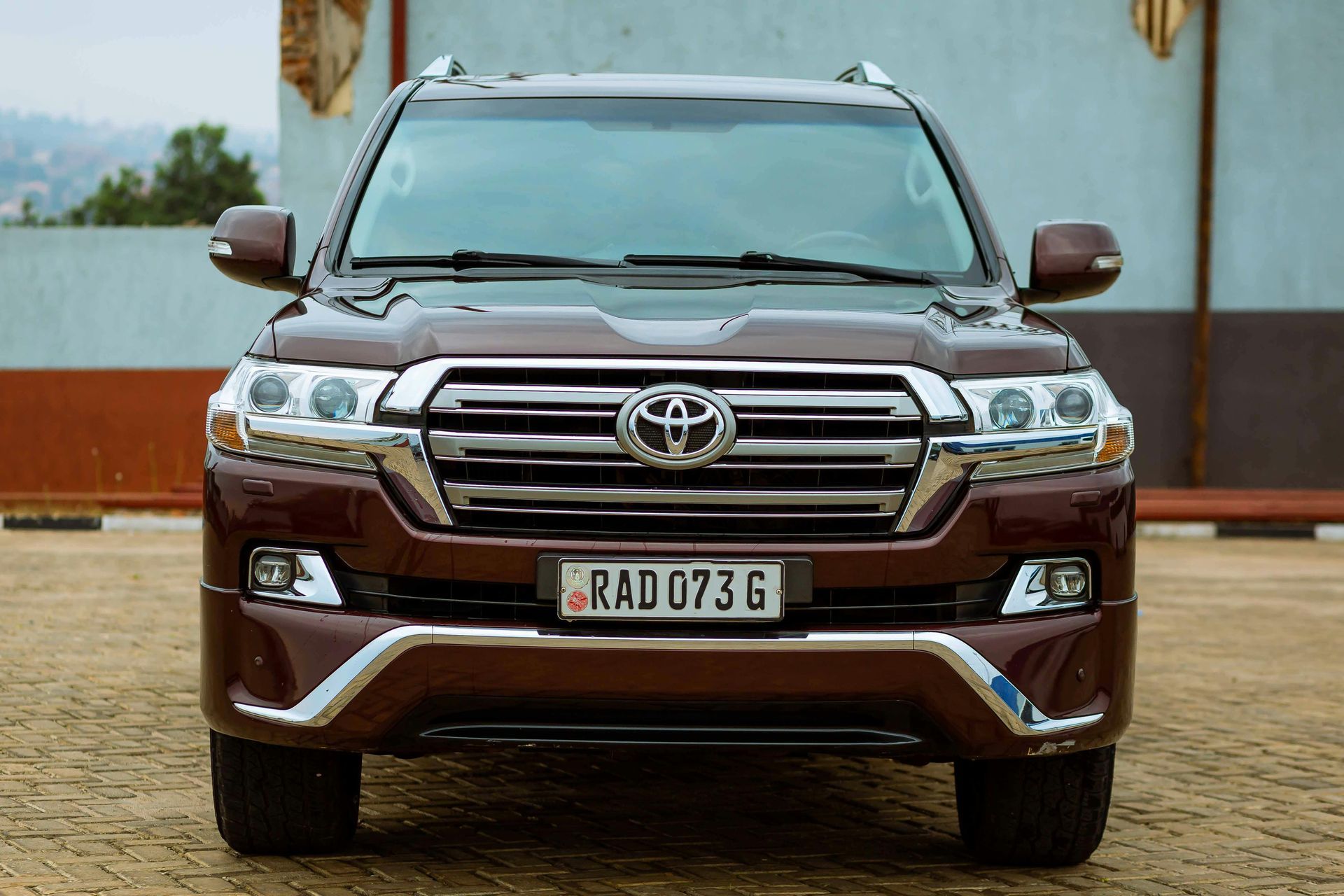
Your vehicle’s cooling system plays a critical role in maintaining safe engine temperatures and preventing overheating. Without a properly functioning cooling system, your engine can quickly suffer serious damage. Because many components work together to regulate temperature, it’s common for drivers to have questions when issues arise. At All Engines & Transmissions, our local mechanics are happy to answer any of your questions about cooling system repair in the greater Westminster area. What Does the Cooling System Do? The cooling system regulates your engine’s temperature by circulating coolant through the engine and radiator.Main components include the radiator, water pump, thermostat, hoses, and coolant itself. Together, they work to absorb heat from the engine and release it into the air, preventing overheating. What Are Common Warning Signs of Cooling System Problems? There are several warning signs that your cooling system needs attention. These include an overheating engine, coolant leaks, a sweet smell coming from under the hood, or visible steam. You might also notice fluctuating temperature readings on your dashboard or a low coolant warning light. What Causes Cooling System Failures? Cooling system issues can result from a variety of factors. Common causes include worn hoses, a failing water pump, a malfunctioning thermostat, and a clogged radiator. Over time, coolant can also become contaminated, reducing its effectiveness. What Does Cooling System Repair Involve? The type of repair depends on the issue identified during inspection. A technician may replace damaged hoses, repair or replace the radiator, install a new water pump, or address a faulty thermostat. In many cases, a coolant flush is performed to remove old or contaminated fluid and restore proper system function. Where Can I Find Cooling System Repair & Replacement in Westminster, CO For expert cooling system repair in Westminster, CO and the surrounding area, contact All Engines & Transmissions at (720) 707-0183. At our local auto shop, we can properly handle your vehicle’s repair and maintenance needs. Feel free to give us a call to make an appointment for car care in greater Westminster, CO!
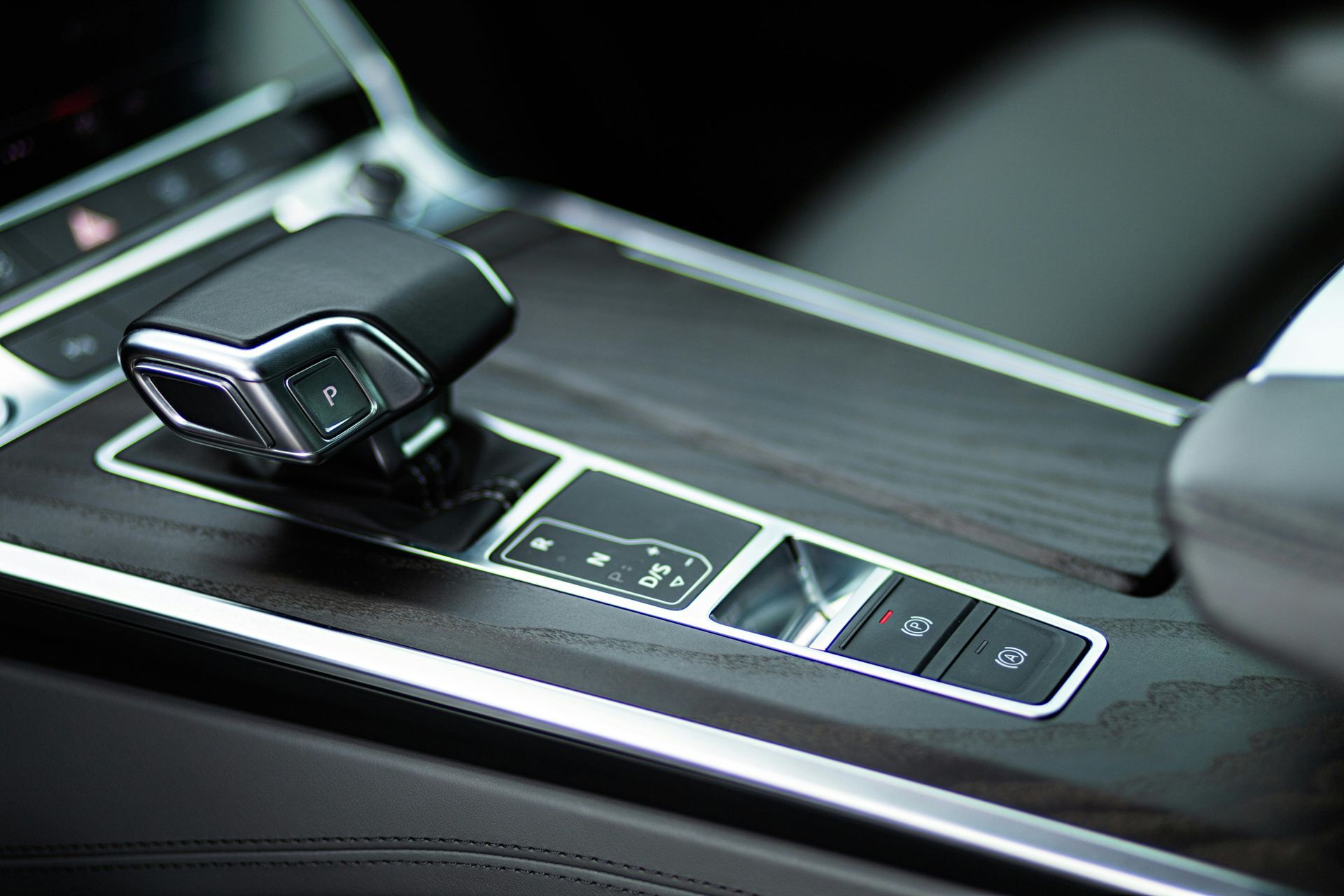
Your vehicle’s automatic transmission plays a crucial role in delivering power from the engine to the wheels. It allows the vehicle to shift gears smoothly without requiring the driver to manually operate a clutch. Because the transmission is made up of many complex components, problems can develop over time due to wear, fluid issues, or internal damage. When transmission problems arise, they often produce noticeable warning signs. Recognizing these symptoms early can help prevent more serious damage. At All Engines & Transmissions, we provide expert automatic transmission repair in the greater Westminster, CO area. Here are four common signs of automatic transmission trouble. Delayed or Slipping Gear Changes One of the most noticeable signs of a transmission problem is delayed or slipping gear shifts. You may notice the engine revving higher than normal before the vehicle changes gears, or the transmission may seem slow to engage when shifting from park into drive. In some cases, the transmission may slip out of gear while driving. These symptoms often indicate worn internal components or problems with transmission fluid pressure. Unusual Noises While Driving Strange noises can be another warning sign of transmission trouble. Drivers may hear whining, humming, or grinding sounds. These noises can occur when internal components such as gears or bearings begin to wear out. Any new or unusual sound should be inspected by a technician. Transmission Fluid Leaks Transmission fluid is essential for lubricating internal components and maintaining proper hydraulic pressure within the transmission. If you notice a reddish fluid pooling under your vehicle, it could be a sign of a transmission fluid leak. Leaks may occur due to worn seals, damaged gaskets, or faulty lines. Low transmission fluid levels can quickly lead to overheating and internal damage if not addressed promptly. Burning Smell From the Vehicle A burning smell coming from your vehicle may indicate that the transmission fluid is overheating. This situation may lead to reduced lubrication and increased friction inside the transmission, which can accelerate wear and lead to major mechanical problems. Automatic Transmission Repair in Westminster, CO For transmission repair in Westminster and the surrounding area, contact All Engines & Transmissions at (720) 707-0183. At our local auto shop, we can expertly handle your vehicle’s repair and maintenance needs. Feel free to give us a call to make an appointment!
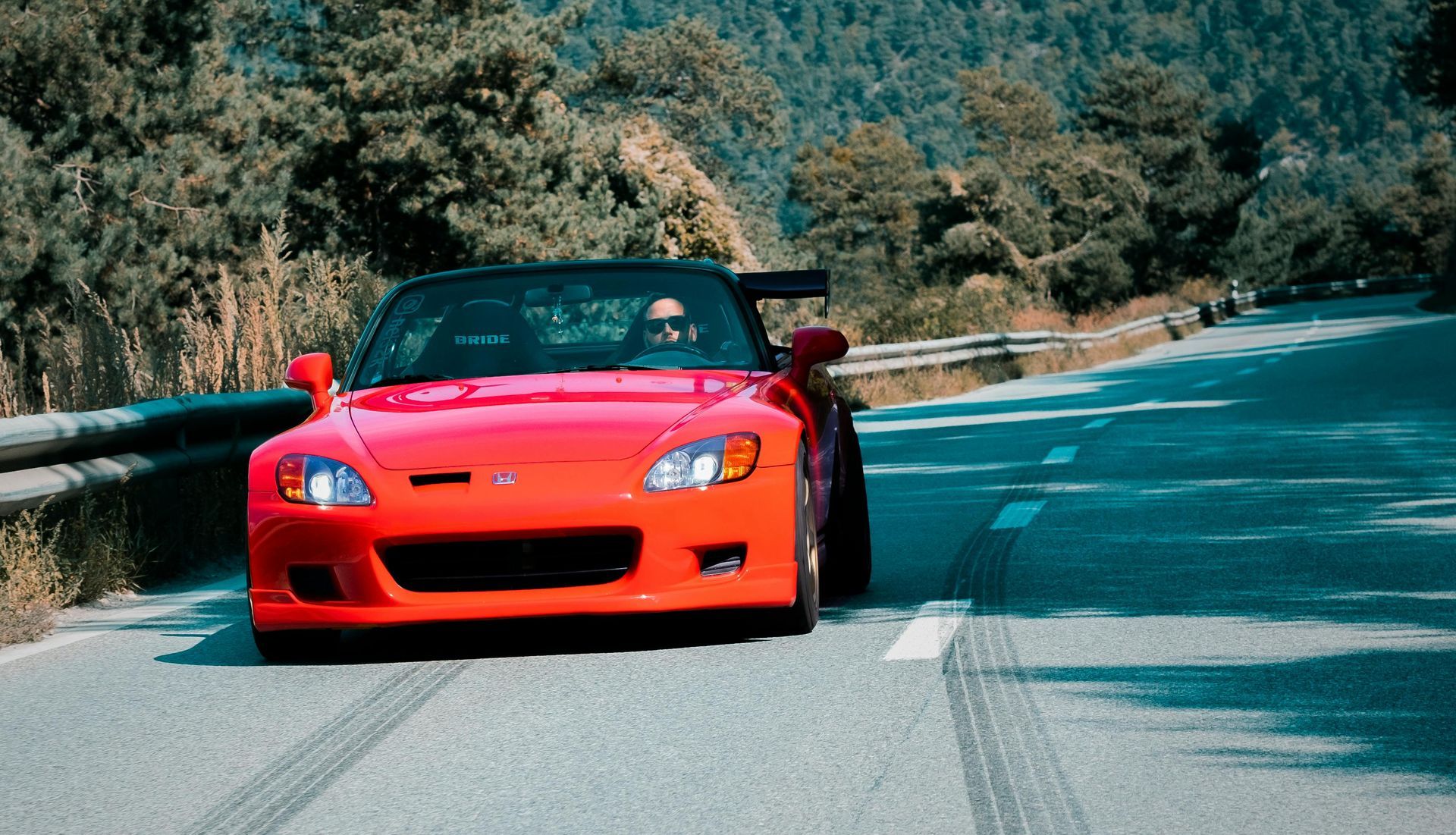
Your transmission relies on clean, properly pressurized fluid to lubricate internal components, regulate temperature, and enable smooth shifting. When fluid levels drop due to a leak, it can quickly lead to overheating, slipping gears, and costly damage. Understanding the causes, warning signs, and repair process can help you act quickly and avoid major transmission problems. At All Engines & Transmissions, we’re happy to answer your questions about transmission fluid leak repair in the greater Westminster, CO area. What Causes a Transmission Fluid Leak? Transmission fluid leaks can happen for several reasons. Worn or damaged seals and gaskets are among the common culprits, especially as vehicles age. A cracked or punctured transmission pan can also allow fluid to escape. Loose or deteriorated transmission lines may leak over time due to heat and pressure. In some cases, improper installation of components or previous repair work can contribute to fluid loss. Regular inspections help identify these issues before they become severe. How Can I Tell If My Transmission Is Leaking Fluid? One of the clearest signs of a transmission fluid leak is a reddish or pinkish puddle underneath your vehicle. You may also notice delayed shifting, slipping gears, or unusual noises while driving. Checking your fluid level regularly can help confirm whether a leak is present. Is It Safe to Drive With a Transmission Fluid Leak? Driving with a transmission fluid leak is risky and not recommended. Low fluid levels reduce lubrication and cooling, which can cause internal components to overheat and wear out quickly. Continuing to drive may result in extensive transmission damage that requires a full rebuild or replacement. If you suspect a leak, it is best to have your vehicle inspected by a qualified technician as soon as possible to prevent further damage. How Can Proactive Maintenance Prevent Damage from Transmission Fluid Leaks? Regularly checking fluid levels and following the manufacturer’s recommended service intervals can catch small issues early. Replacing worn seals and gaskets before they fail helps reduce the risk of leaks. Addressing unusual shifting behavior or warning lights promptly can also prevent minor problems from turning into major repairs. Proactive care helps keep your transmission operating efficiently and can extend its lifespan. Where Can I Get Transmission Fluid Leak Repair in Westminster, CO? For expert transmission fluid leak repair in Westminster, CO and the surrounding area, contact All Engines & Transmissions at (720) 707-0183. Feel free to give us a call to schedule an appointment!
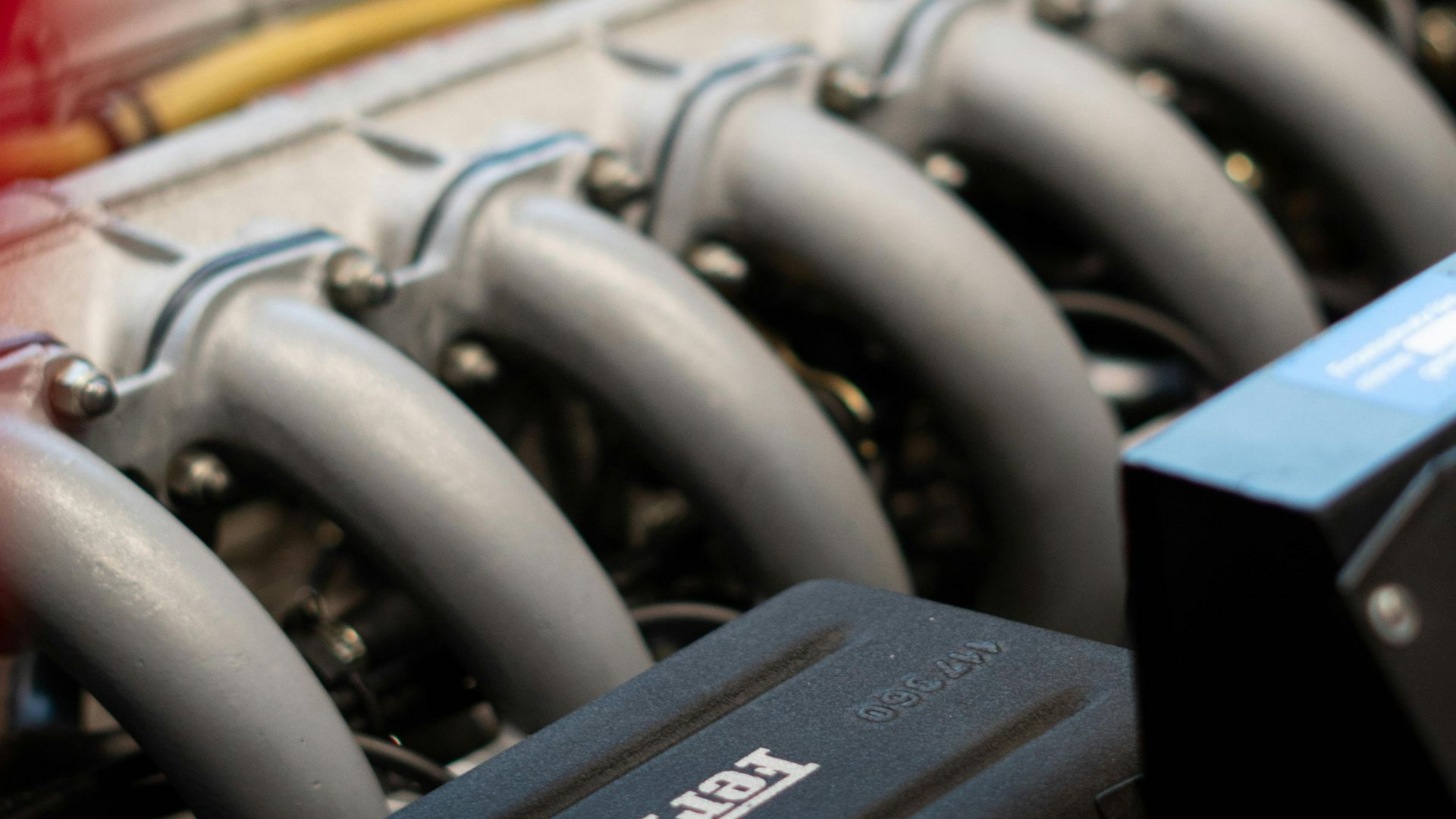
Your vehicle’s engine is its most complex and vital component, responsible for delivering power and keeping everything running smoothly. When engine problems arise, they can be intimidating and often come with concerns about cost, safety, and repair timelines. Understanding the basics of engine repair can help you recognize issues early and make informed decisions. At All Engines & Transmissions, we can answer any of your questions about engine repair in the greater Westminster, CO area. What Are the Most Common Signs of Engine Trouble? Engine problems often present clear warning signs. These may include unusual knocking or ticking noises, excessive exhaust smoke, loss of power, poor fuel-efficiency, or difficulty starting the vehicle. Warning lights on the dashboard, such as the check engine light, are also common indicators. Ignoring these symptoms can lead to more serious damage, so prompt diagnosis is essential. What Causes Engine Problems? Engine issues can stem from a wide range of factors. Poor maintenance, such as skipping oil changes or using the wrong fluids, is a potential cause. Overheating due to cooling system failures, worn internal components, and fuel system issues can also contribute. How Long Does Engine Repair Usually Take? The time required for engine repair depends on the severity of the problem. Minor repairs, such as replacing certain sensors, may be completed within a day. More extensive work, like internal component repairs or engine rebuilds, can take several days or longer. Accurate diagnostics and clear communication from a professional technician help set realistic expectations for repair timelines. Is It Better to Repair or Replace an Engine? Many vehicle owners wonder whether repairing an engine is worth the investment. The decision depends on factors such as the extent of the damage, the vehicle’s age, mileage, and overall condition. In some cases, targeted repairs can restore reliable performance at a reasonable cost. For severe or widespread damage, engine replacement may be more cost-effective in the long run. A professional assessment can help determine the best option. Where Can I Find Expert Engine Repair & Replacement in Westminster, CO For engine repair and replacement in Westminster, CO and the surrounding area, contact All Engines & Transmissions at (720) 707-0183. Feel free to give us a call to make an appointment for car care in greater Westminster, CO!
A correctly-functioning suspension system plays a crucial role in maintaining control, comfort, and safety while driving. It absorbs shocks from bumps, helps keep tires in contact with the road, and promotes stable handling during turns and braking. But as the miles add up, wear and tear can compromise suspension components, leading to a less comfortable ride and potential safety risks. At All Engines & Transmissions, we provide expert suspension repair in the greater Westminster, CO area. Here are four common signs of suspension trouble. Uneven/Excessive Tire Wear When shocks, struts, or other suspension components are worn, tires may not maintain consistent contact with the road, causing certain areas of the tread to wear faster than others. Excessive or unusual tire wear not only reduces traction and handling, but also shortens the lifespan of your tires. Regularly checking your tires for uneven wear can help you catch suspension issues before they worsen. Pulling or Drifting While Driving If your car pulls to one side while driving on a straight road, it could be a sign that your suspension system is misaligned or damaged. Worn suspension components can affect steering response and balance, making it harder to keep the vehicle centered. Noticing this behavior should prompt a professional inspection, as ignoring it can compromise safety and lead to worsening issues. Excessive Bouncing A properly functioning suspension absorbs shocks from potholes, bumps, and uneven pavement. If your car feels excessively bouncy or unstable when driving over bumps, the shocks or struts may be worn. Reduced damping ability affects both comfort and control, potentially making the vehicle feel unpredictable during sudden maneuvers. Addressing the problem early can restore ride quality and handling performance. Clunking or Unusual Noises Over Bumps Suspension components such as bushings, ball joints, and control arms can wear or loosen over time. When this happens, you may hear clunking, knocking, or squeaking noises while driving over bumps or making turns. These sounds indicate that parts are moving incorrectly, signaling that immediate attention is needed to prevent further damage or failure. Suspension Repair in Westminster, CO When you need auto repair in Westminster, CO and the surrounding area, contact All Engines & Transmissions at (720) 707-0183. At our local auto shop, we can expertly handle your vehicle’s repair and maintenance needs. Feel free to give us a call to schedule an appointment!